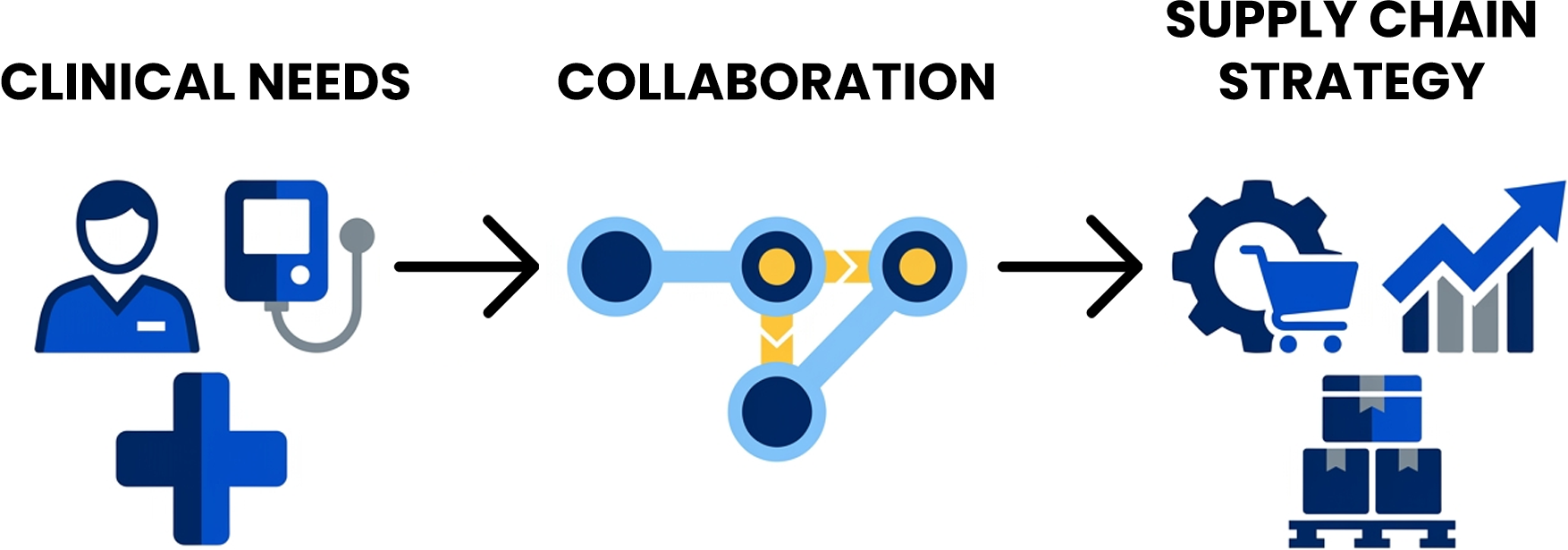
In today’s healthcare environment, clinical and supply chain leaders face a common challenge: delivering high-quality patient care while managing rising costs, supply disruptions, and increasing operational complexity. Historically, clinical teams focused on patient outcomes while supply chain teams concentrated on sourcing, contracting, and inventory management. However, the most successful healthcare organizations have recognized that these functions are deeply interconnected. Clinicians naturally prioritize solutions that support optimal patient care. However, without a structured evaluation process, product selection can lead to unnecessary variation, increased inventory complexity, and higher costs. The challenge for healthcare organizations is not simply determining what clinicians want but also understanding why a product is needed and how it supports patient outcomes.
Understanding Clinical Needs
Clinical needs are driven by the requirements of physicians, nurses, therapists, and other caregivers who rely on products, technologies, and services to deliver safe and effective patient care. These needs often encompass:
- Product performance and quality
- Patient safety considerations
- Clinical efficacy and outcomes
- Ease of use and workflow integration
- Regulatory compliance
- New technology adoption
- Specialty-specific requirements
The Role of Clinical Integration
The lowest-cost product is not always the most cost-effective option. Value must be evaluated through a broader lens that includes:
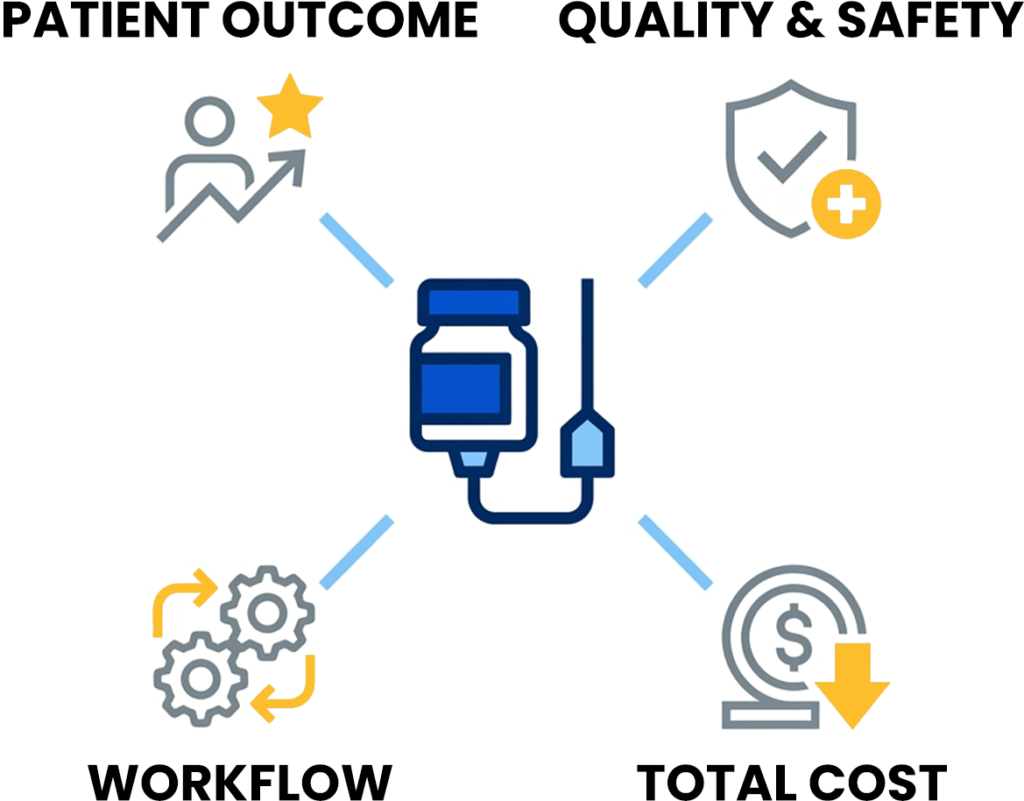
- Patient outcomes
- Quality metrics
- Infection prevention
- Readmission reduction
- Staff satisfaction
- Workflow efficiency
- Total cost of care
This holistic approach enables supply chain strategies that support both financial and clinical objectives.
Building a Clinically Driven Supply Chain Strategy
A successful supply chain strategy begins with understanding organizational clinical priorities.
Align Procurement with Clinical Goals
Supply chain teams should establish direct connections between product decisions and strategic clinical objectives. For example:
- Reducing hospital-acquired infections may require investments in advanced vascular access products or infection prevention technologies.
- Improving surgical outcomes may lead to standardization of implants or procedural supplies.
- Enhancing patient experience may influence purchasing decisions related to comfort and mobility products.
When procurement decisions support measurable clinical goals, supply chain becomes a strategic contributor rather than a transactional function.
Leverage Value Analysis Processes
Value analysis programs provide a structured framework for evaluating products, services, and technologies. Before introducing a new product or technology, organizations should assess available clinical evidence, benchmarking data, and outcome measures. This ensures purchasing decisions are supported by demonstrated value rather than preference alone.
Healthcare systems often discover multiple products serving the same clinical purpose across facilities or departments. While some variation is clinically justified, excess variation can increase costs and create operational inefficiencies.
By engaging clinicians in standardization efforts, organizations can reduce unnecessary complexity while maintaining appropriate clinical flexibility. Multidisciplinary committees to assist with this process typically include:
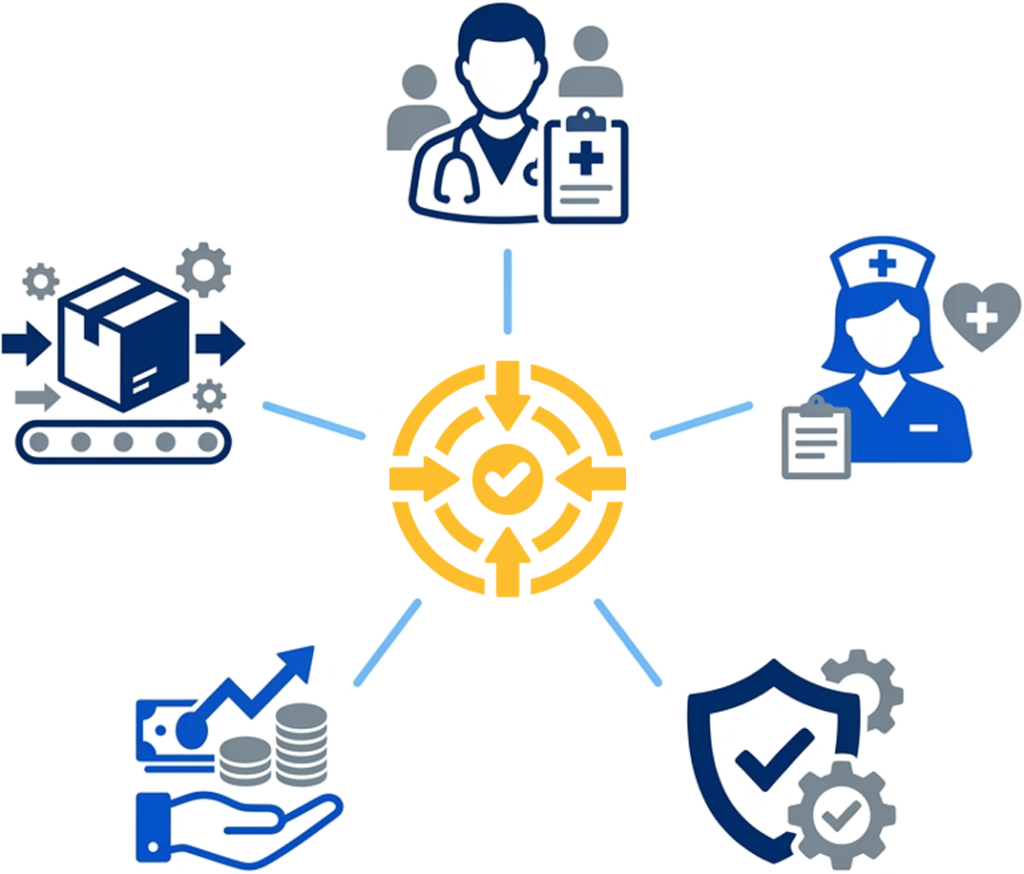
- Physicians
- Nurses
- Quality leader
- Infection prevention specialists
- Finance representatives
- Supply chain professionals
- Clinical resource leaders
Through collaborative review, organizations can balance clinical effectiveness, operational impact, and financial stewardship. Strong value analysis programs help ensure that product adoption decisions are transparent, evidence-based, and aligned with organizational priorities.
Use Data to Drive Decisions
Data is essential for translating clinical needs into strategic action. Organizations should analyze:
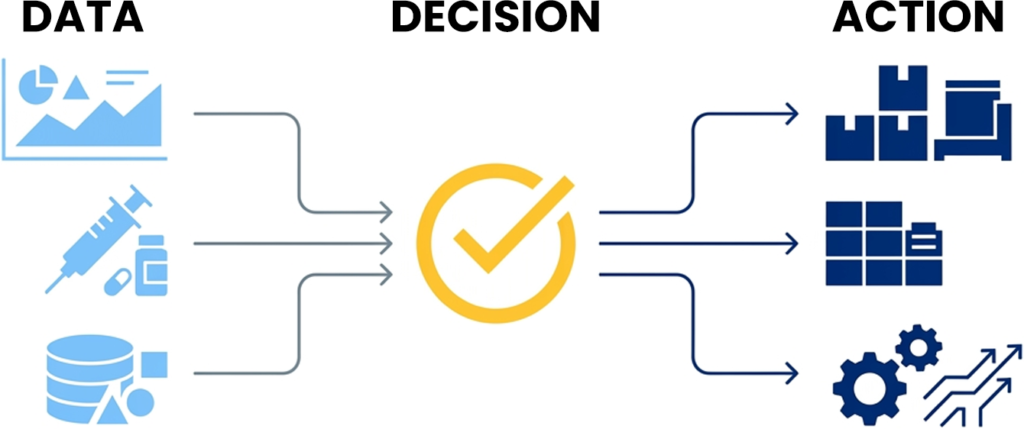
- Product utilization trends
- Cost per procedure
- Clinical outcomes
- Benchmarking data
- Contract compliance
- Inventory performance
- Physician preference variation
By combining clinical and supply chain analytics, leaders can identify opportunities for savings while preserving or improving quality outcomes. For example, a review of utilization data may reveal opportunities to standardize wound care products across multiple facilities without impacting patient outcomes, resulting in reduced spend and simplified inventory management.
Strengthening Supplier Partnerships
Modern supply chain strategy extends beyond negotiating favorable pricing. Healthcare organizations increasingly seek supplier relationships that deliver:
- Clinical expertise
- Product education
- Outcome data
- Innovation support
- Supply continuity
- Implementation assistance
Suppliers can become valuable strategic partners when they understand an organization’s clinical goals and contribute solutions that support those objectives. Regular collaboration between clinicians, supply chain teams, and suppliers helps ensure new technologies are evaluated appropriately and implemented successfully.
Managing Supply Resiliency and Risk
Recent disruptions have highlighted the importance of supply chain resilience. Clinical leaders must be involved in contingency planning to ensure patient care remains uninterrupted during shortages or emergencies. Key strategies include:
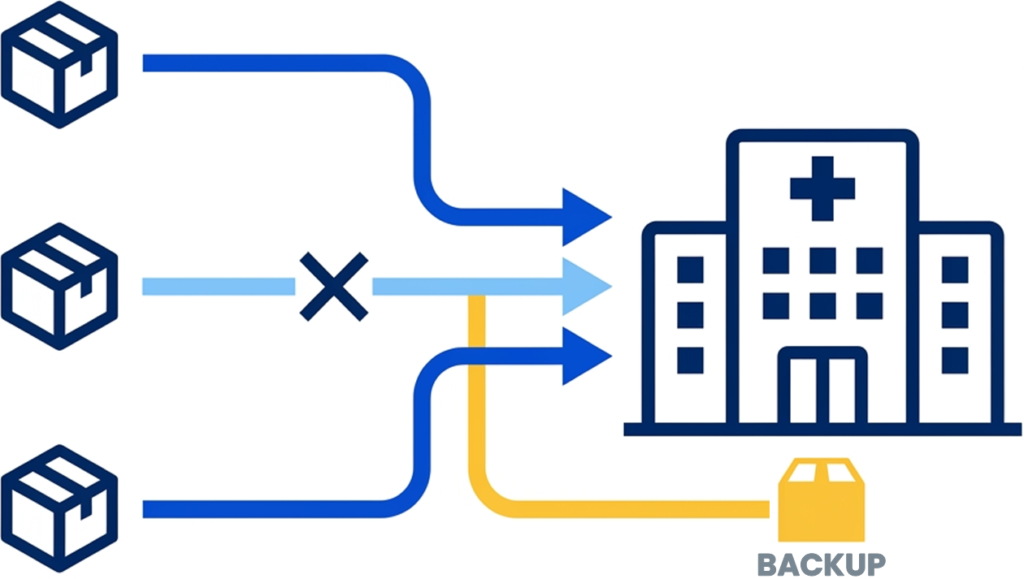
- Evaluating clinically acceptable alternatives
- Diversifying supplier portfolios
- Monitoring high-risk categories
- Establishing safety stock levels
- Creating product conversion plans
- Engaging clinicians in shortage response efforts
When clinical and supply chain teams collaborate proactively, organizations can respond more effectively to disruptions while minimizing impacts on patient care.
Measuring Success
Translating clinical needs into supply chain strategy requires measurable outcomes. Organizations should establish key performance indicators that reflect both clinical and operational success. Balanced measurement ensures that supply chain initiatives support organizational performance across multiple dimensions.
The Future of Clinical Supply Chain Leadership
As healthcare continues to evolve, the distinction between clinical operations and supply chain management will continue to narrow. Clinical leaders are increasingly expected to understand financial stewardship, while supply chain professionals must appreciate the clinical implications of product decisions. Emerging technologies, predictive analytics, artificial intelligence, and advanced data platforms will further enhance the ability to connect clinical requirements with supply chain strategy. Organizations that foster collaboration between these disciplines will be better positioned to improve outcomes, manage costs, and navigate future challenges.
Conclusion
The most effective healthcare systems recognize that supply chain is not merely a support function. When informed by clinical priorities and guided by evidence-based decision-making, it becomes a critical driver of patient outcomes, operational excellence, and long-term sustainability.